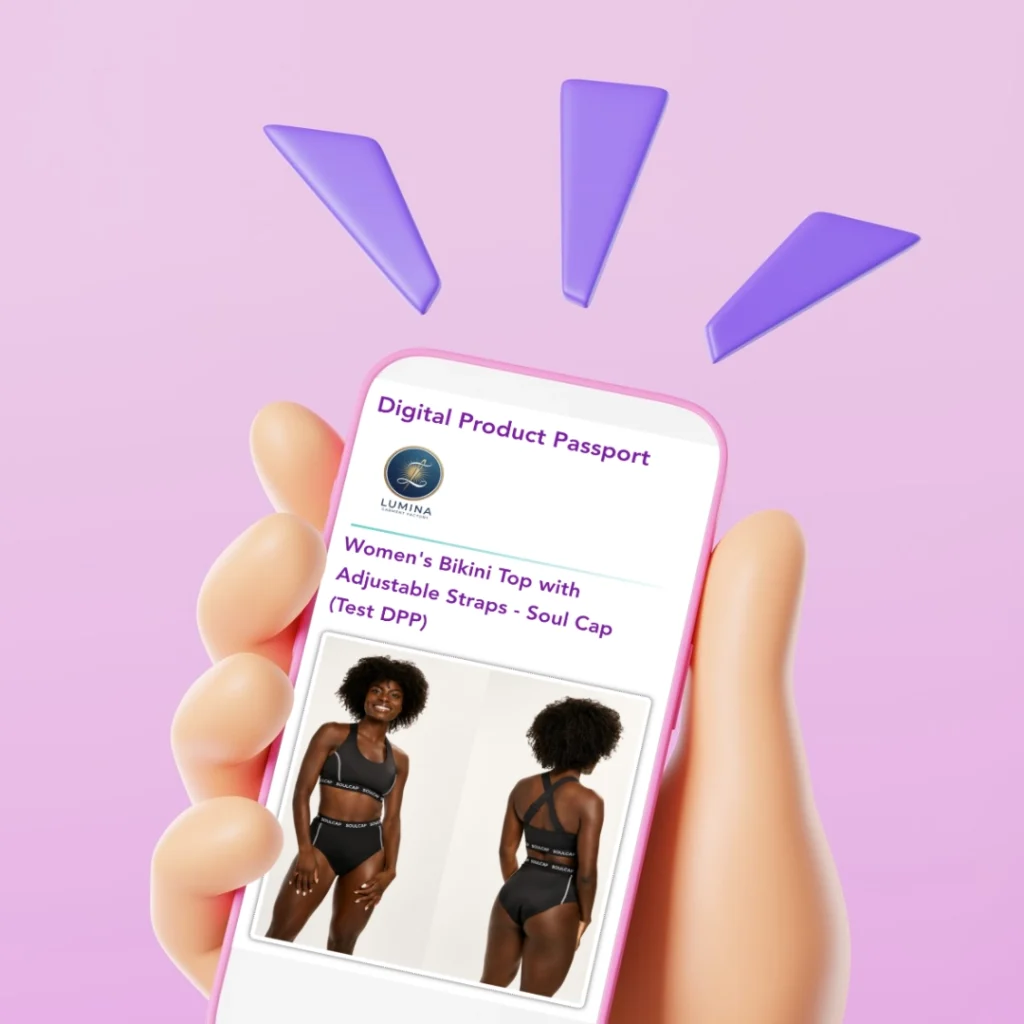
A Digital Product Passport (DPP) is a digital record that stores and shares verified information about a product’s materials, origin, manufacturing, and sustainability data across its entire lifecycle.
For fashion brands, Digital Product Passports are becoming a core requirement under upcoming EU regulations and a powerful tool for transparency, trust, and compliance.
This guide explains what a Digital Product Passport is, why it matters for fashion brands, and how to prepare for it in a practical, business ready way.
What Is a Digital Product Passport?
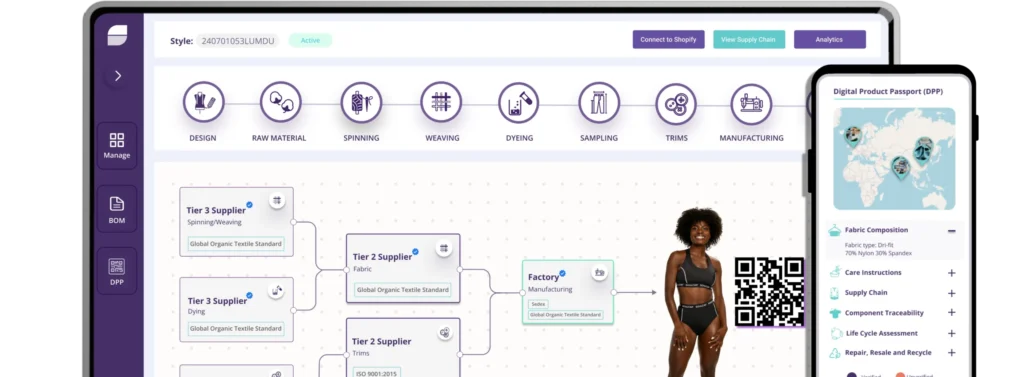
A Digital Product Passport is a structured digital profile that contains key information about a product, including:
- Material composition
- Country of origin
- Supply chain stages
- Manufacturing processes
- Environmental and sustainability data
- Care and end of life guidance
This information is typically accessed through a QR code, NFC tag, or RFID tag attached to the product.
Unlike traditional product labels or marketing claims, a Digital Product Passport is designed to be:
- Standardised
- Traceable
- Updatable
- Verifiable
In the EU, Digital Product Passports are being introduced under the Ecodesign for Sustainable Products Regulation (ESPR) to improve transparency, circularity, and accountability across supply chains.
Why Digital Product Passports Matter for Fashion Brands?
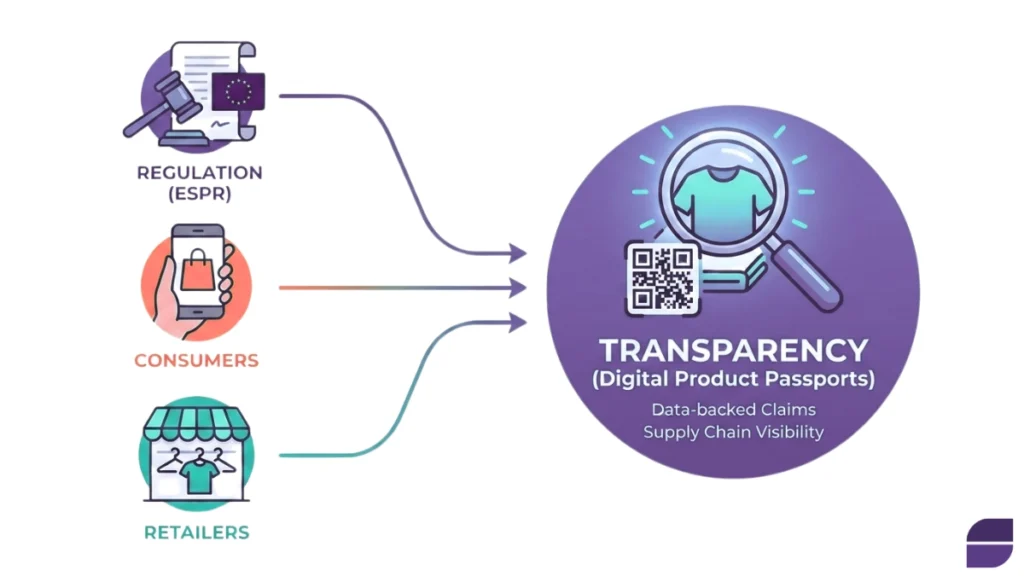
Fashion brands operate some of the most complex global supply chains, often involving dozens of suppliers across multiple countries. At the same time, regulators, retailers, and consumers are demanding clear proof of sustainability and ethical sourcing.
Digital Product Passports help fashion brands:
- Demonstrate supply chain transparency
- Support ESPR and future EU compliance
- Reduce greenwashing risks with data-backed claims
- Improve internal data organisation
- Build trust with increasingly informed customers
Instead of relying on static sustainability pages, brands can show product-level evidence — material by material, supplier by supplier.
Digital Product Passport & EU ESPR Timeline
The requirement for Digital Product Passports comes from the EU Ecodesign for Sustainable Products Regulation (ESPR).
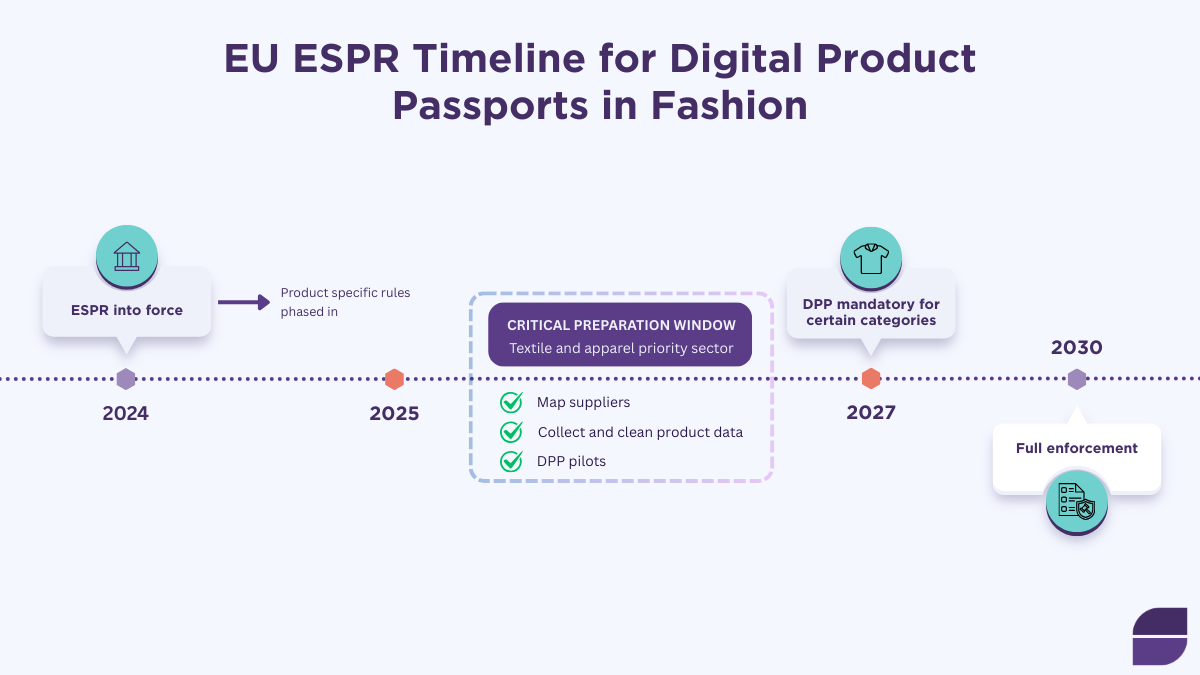
Key points fashion brands should know:
- ESPR entered into force in 2024
- Product-specific rules (including textiles) are being phased in
- Digital Product Passports will become mandatory for certain product categories
- Textiles and apparel are among the priority sectors
While exact deadlines vary by product type, fashion brands selling into the EU should treat 2025–2027 as the critical preparation window.
Early adoption gives brands time to:
- Map suppliers
- Clean product data
- Start DPP pilots
How a Digital Product Passport Works
A Digital Product Passport works by connecting a physical product to a digital record that stores verified product and supply chain data.
Each product is assigned a unique digital identity, usually accessed through a QR code or NFC tag on the garment. When scanned, the Digital Product Passport displays structured information such as materials, care instructions, supply chain stages, and sustainability data.
For brands, this data is managed in a central platform and can be updated over time, supporting compliance, reporting, and transparency as regulations evolve.
What Data Does a Digital Product Passport Include?
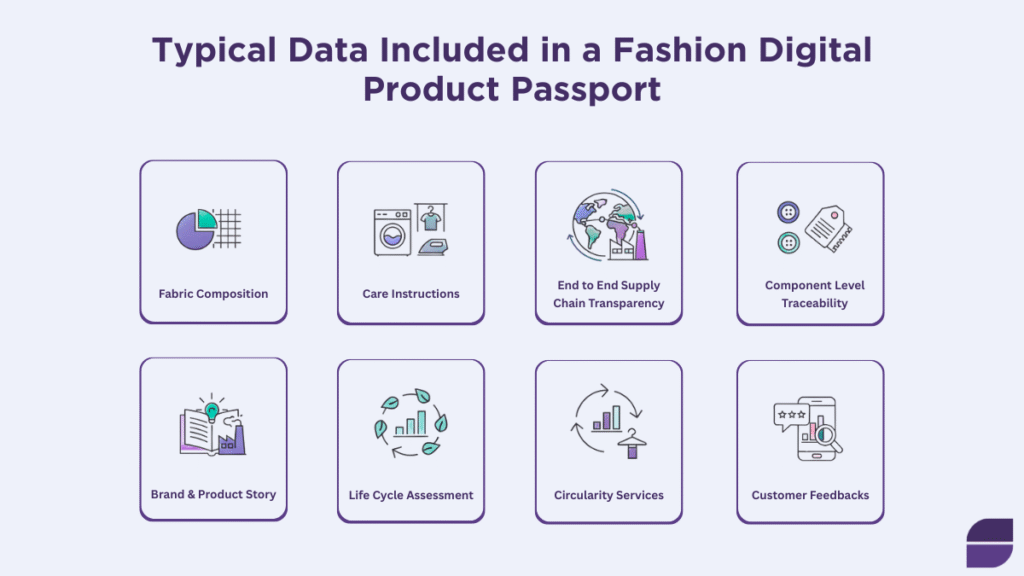
A Digital Product Passport for fashion typically includes:
- Fabric Composition: Detailed breakdown of fibres, blends, and material percentages.
- Care Instructions: Guidance on washing, drying, and care to extend product lifespan.
- End to End Supply Chain Transparency: Visibility from design and sourcing to manufacturing and finishing locations.
- Component Level Traceability: Information on trims and components such as buttons, zippers, elastics, labels, and packaging.
- Brand & Product Story: Context about product purpose, design philosophy, and craftsmanship.
- Life Cycle Assessment (LCA) Data: Environmental impact insights across the product lifecycle.
- Circularity & End of Life Information: Repair, reuse, resale, or recycling guidance.
- Customer Feedback: A channel for collecting feedback to improve future designs.
All of this information is accessed through a single digital interface, usually via a QR code.
Digital Product Passport Examples in Fashion
In practice, a Digital Product Passport allows customers to scan a garment and instantly access a live, interactive product record.
For fashion brands, the same Digital Product Passport serves as an internal operational tool — enabling teams to:
- Manage supplier and material data in one place
- Track certifications and compliance documentation
- Support audits, reporting, and future regulatory requirements
This makes the Digital Product Passport both a customer facing transparency tool and a central data layer for compliance, traceability, and circularity.
How Fashion Brands Can Prepare for a Digital Product Passport?
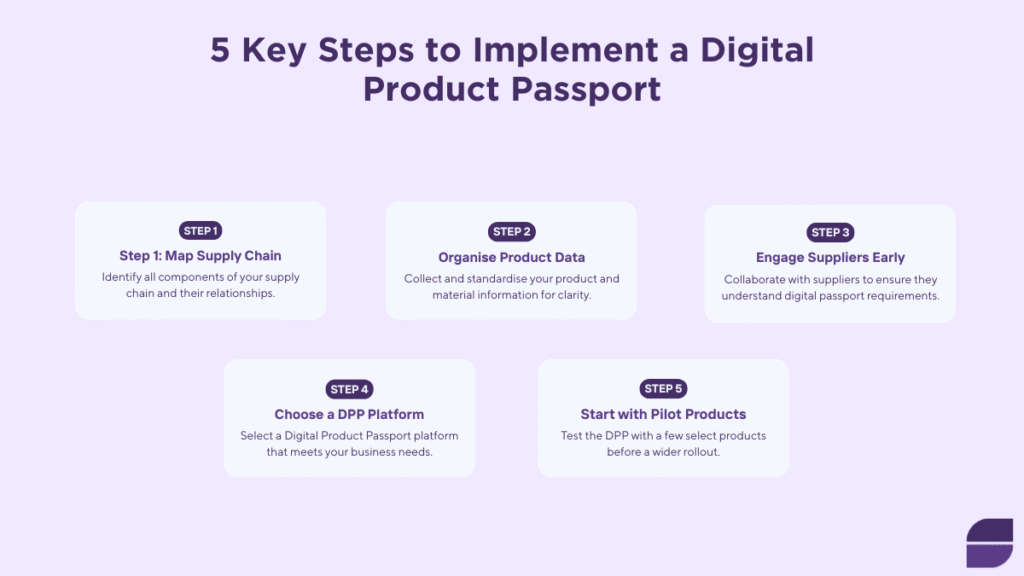
Preparing for a Digital Product Passport is less about technology and more about data readiness.
Practical first steps include:
- Map your supply chain: Identify Tier 1–Tier 4 suppliers and material origins.
- Organise product and material data: Standardise how fabrics, components, and certifications are recorded.
- Engage suppliers early: Ensure suppliers can provide structured, consistent data.
- Choose a DPP platform: Select solutions built specifically for fashion supply chains like Seamless Source.
- Start with pilot products: Roll out DPPs on a limited number of SKUs to reduce complexity.
Brands that start early gain a competitive advantage not just in compliance, but in transparency and trust.
Final Thoughts

Digital Product Passports are not just a regulatory requirement; they represent a fundamental shift in how fashion products are documented, communicated, and trusted.
Brands that treat DPPs as a strategic asset, rather than a last-minute compliance task, will be far better positioned for the future of transparent, circular fashion.
Frequently Asked Questions
What is DPP in fashion?
DPP stands for Digital Product Passport. In fashion, it refers to a digital record containing verified information about a garment’s materials, supply chain, and sustainability data.
Are Digital Product Passports mandatory?
They will become mandatory in the EU for certain product categories under ESPR, including textiles.
Do Digital Product Passports replace labels?
No. They complement physical labels by providing far more detailed and updatable information digitally.
When should fashion brands start preparing?
Now. Brands selling into the EU should begin preparation well before enforcement deadlines.