Our Blog

Welcome to our Blog. Share your thoughts on our latest and trending posts

Search
All

Is Fashion Renting Really A Sustainable Option?

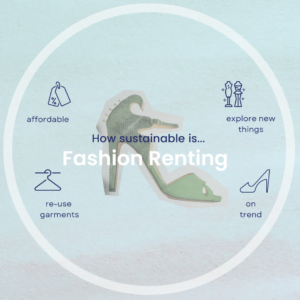
Rent a Runaway has set a trend for fashion renting that has inspired other startups and seasoned retailers to get on the bandwagon. The mix of getting quality and even designer items at a fraction of the price seems like a dream for fashion lovers – and there is the opportunity for people to get their hands on pieces they never deemed possible before! Meanwhile, fashion renting is often posed as a sustainable alternative to usual consumption. This is because we are not producing any new clothes at mass speeds, the garments are being used over and over again, and there is no harm in ending up not liking the item after a while, as it will go back anyway. The fashion rental trend is inspired by the familiar notion of renting a suit or ball gown for a special occasion. However, the unique perspective of fashion rental brands is that they allow consumers to choose items for any occasion from designer to high-street at a monthly subscription fee. This process seems like the perfect opportunity to try out new styles, silhouettes and colours whilst exploring a range of new brands and designers. With so many benefits it truly does seem like the perfect option. There are a whole plethora of new renting services popping up, from more affordable to more exclusive. This means that whatever your prefered budget, there’s likely something out there for you. It seems there are really no downsides… But is fashion renting really sustainable? Newness without the waste. Lengthened fashion cycle. Test before you buy. The main sustainable perspective on fashion rental is that it allows the consumer to get their novelty of newness by being able to change their wardrobe consistently. The fashion items are returned and rented to other consumers, it lengthens the use lifecycle of fashion items and they will not go to landfill at the end of it. The fashion rental model allows the consumer to test fashion items from a brand, before considering owning the item. Therefore, this could potentially allow them to make more considered choices for building a wardrobe. Especially as the Fashion Stylist, Lalita Lowe explains that ‘women only wear 20% of their clothing.’ This is because many fashion consumption is made during impulsive moments. Growing fashion appetite. Environmental impact. Loss of ownership. Consumers may grow their appetite for fashion consumption with a wider selection of quality garments available at a lower price point. This may mean they are disillusioned that fashion rental is completely  sustainable despite the amount of consumption connected to it. Rent the Runway owns the biggest dry cleaning service in the US, which highlights the environmental impact of the maintenance of a re-sell inventory. Also, the carbon footprint of the packaging and delivering the items have massive implications for the sustainability of the service. The principle of fashion rentals is allowing customers to have a wardrobe they would wear. However, the products are only leased which leave consumers less connected to the items and the process involved in the production and maintenance of a product. This loss of ownership may breed loss of responsibility of consumption and less sustainably conscious choices. In conclusion, fashion rentals can be a great sustainable option depending on peoples current shopping habits. As mentioned by Business of Fashion writer, Chavie Lieber ‘my attempts to use rentals to build my infinite closet left me dying to go shopping’. The writer summarised this after testing various fashion rental services. This perspective highlights that for some fashion rental can be exhausting and may result in some craving for the traditional shopping experience and own their clothes. However it depends on how sustainably conscious the users of the service are, whether they are over-indulging just because they can, or whether they are genuinely trying to explore new styles before committing to one only to realise they do not like it. Fashion renting will always be a more sustainable alternative to throwing clothes away. The most sustainable alternative to both buying and fashion renting is actually to just explore and wear what’s already in your wardrobe. Or, trade with friends, family, donate to charity shops and buy something new there, and then re-donate if it doesn’t work out! If you are interested in sustainability within the fashion industry, be sure to check out our blog with many other posts that explore important topics of discussion.

Read More »
All

Fashion Games

Fashion and Gaming industries are not typical collaborators, but this connection has some resemblance to the Fashion and Sports relationship. The Gaming industry is changing the way fashion products are consumed, especially in terms of tangible and intangible fashion items. Sportswear and streetwear brands are realising the revenue potential of the gaming industry through gaming platforms such as eSports. For instance, Newzoo Global Market eSports 2019 Report estimates that the global industry will generate ‘$1.8 billion in 2022’. What is eSports? eSports is electronic sports where computer gamers compete against each other (usually in teams). The aspect that sets this apart from conventional gaming, is that it includes tournaments which are held in large venues that allow fans to watch the competitions. The winners can win thousands of pounds with the rise of professional eSport players. How are fashion brands cashing in? Fashion brands such as Nike are using the platform to sell digital versions of their products that fans and players can buy for their gaming avatars. Meanwhile, fashion brands are even collaborating with gaming influencers to create fashion collections and exclusive merchandise for gaming competitions. The average that a gaming fan spends on merchandise was £74 in 2018. Sources: Newzoo, BBC There are fashion brands inspired by this industry with exclusive collections for the gaming culture. Metathreads are examples of a brand which combines the gaming and streetwear culture. Source: Metathreads Champion x Optic-Gaming Another major collaboration is the sportswear brand Champion and Optic-Gaming which will bring this gaming culture merchandise to the mainstream consumer. Source: Venture Beat Jack & Jones x eSports This is a space with potential for growth and opportunities for other categories of fashion brands to become key players. Source: Jack & Jones If you would like to read more about digital innovations in the fashion industry, you can have a look at our other related articles.

Read More »
All

Fashion x Food

Fashion and Food companies collaborations are becoming a more common marketing tool. Food companies are taking lessons from fashion branding strategies to get more connected to their consumers. Fast Food Fashion Moschino 2014 Fashion Designers have always drawn inspiration from unexpected sources such as fast food, with the famous Jeremy Scott’s Moschino 2014 collection being partly McDonald’s inspired. This was not a collaboration but a way the designer could showcase the importance of branding trademarks and messages they carry with a nod to Andy Warhol. Likewise, the parody of American branding doesn’t necessarily give a positive reflection of the subject matter. This highlights the challenge and opportunity for food and fashion collaborations which encourages playful novelty to connect to consumers. Havana Club x Place + Faces Streetwear has already revolutionised the luxury industry, but the next stop is food. In the Havana Club x Place + Faces collaboration, it is an instant hit. The streetwear culture helps to celebrate the Cuban history of the Havana Club and connect to the current zeitgeist. SangSom AM/PM Collection Meanwhile, SangSom which is another alcohol company embraces the restrictions associated with selling alcohol in Thailand. The brand created a AM/PM fashion collection which were released through a series of drops. The pieces of the collection are priced at average of £20 per item during the daytime. However, the twist comes in the night where the price goes up to 100 times the daytime price. The purpose of this marketing strategy is to tell consumers that the nights are for buying their alcohol and partying. Mam Cupy x KFC Bucket Hat Fast food companies are using their branding to develop fashion collections to refresh their brand image. For example, streetwear brand Mam Cupy collaborated with KFC to create a bucket hat. This campaign was focused on the Russian market, with the tag line, ‘Is it a hat? Or a bucket?’. The fashion and food collaborations can be effective at refreshing the food company’s image by enforcing the notion that branding doesn’t restrict companies to one product category. However, yet to be seen is whether the food industry’s step into fashion can be more than a marketing stunt. Sources: Business of Fashion, Hype Bae , Havana Club x Places + Faces, Campaign Brief Asia

Read More »
All

How to find Fashion Influencers for your fashion brand?

How to choose? There are many questions that a brand may require for beneficial fit with a particular influencer. These are some of the bare essentials that brands should consider: Influencer’s online presence Search Engine Optimisation Number of followers Age demographic The topics that the influencer is interested in Category of influencer The overarching question that should be asked: What are your options? There are various routes brands pursue to collaborate with an influencer. There are so many influencers, so the quickest way to find potential relevant influencers is through an agency. They will assist in the speeding up the communication. This can be an expensive way for a small brand. Some well-known agencies include: Hire Influence  – NY, USA Qumin                – China Goat Agency      – London, UK 6Degrees            – Copenhagen, DK Urban Nerds     – London, UK Research your best options Launchmetrics is a useful platform to use in understanding consumer behaviour and gain valuable insight of potential response to different marketing strategies. This is more useful in the long-term as THE brand grows. Make your own connections Brands may already have particular influencers in mind because of the shared values and aesthetics. Brands may need to take a gradual process to ensure a successful collaborate. These steps could include: Ask the influencer to fit for an interview to be featured on the brand’s platform Get influencer to share a review about the brand’s products Get the influencer to collaborate on the launch of a new product These steps can help brands to test social engagement with their collaboration and determine the decision of funding an exclusive collaboration. Source: Photoslurp, Influencer Marketing Hub, Launchmetrics  

Read More »
All

Is Influencer marketing worth it?

We all have seen the annoying ads telling us about the things we should buy based on our search results. This often leads to annoyance for this intrusive use of our data and even a negative view of the brand being sold to us. These marketing messages have bombarded us for so long that we have become immune to their tactics. But who can we trust to advise us on what to buy? This is where influencer marketing fits in. What is influencer marketing? Influencer marketing is when brands collaborate with an influencer to reach a new audience. This works as a tool to broaden their pool of potential customers and ultimately lead to more sales. Why does influencer marketing work? The principle of influencer marketing has stemmed from ‘word of mouth’ marketing strategy. The ‘word of mouth’ strategy was restricted to the immediate community around us, which limited in the sphere of influence. Word of mouth marketing can be defined as the way a person can influence someone else’s actions by sharing their experiences or opinions. Celebrity Influencers According to marketing expert Seth Godin, celebrities and editors could be associated as the ‘Original Influencers’ with their expertise and trusted relationships with fans being used to market products. However, in modern-day influencer marketing, the status of ‘celebrity’ can be attributed to a wider variety of sources. This has been made possible through the use of online platforms such as Instagram and Youtube where any can share their opinions regardless of their expertise. This has meant followers of an ‘influencer’ will trust such an opinion because of their unassociated links to external companies. The trust is built on the follower forming an ‘online community’ which could be seen as an extension of their immediate ‘word of mouth’ community. The follower regards the ‘influencer’ like a friend who is sharing their authentic opinion. Source : Seth Godin , State of Fashion Report 2020 Is the market saturated? The majority of companies actually use influence marketing in some way, but consumer ‘engagement rate’ has declined from ‘4 per cent (2016)’ to ‘2.4 per cent (2019)’ for the Instagram platform. Various factors may affect this decrease. According to many experts, the main issue is the choice of influencer that brands chose to collaborate with. Many brands may initially go for an influencer based on their follower numbers. However, fans are not necessarily responding positively to this approach and therefore this will leads to the same consumer annoyance as other intrusive forms of marketing. The main reason that such a collaboration has become stale for consumers is that it has lost the ‘authentic value’ for consumers. Source : Mobile Marketer, 9th July 2019 What does this mean for the future of influencer marketing? Influencer marketing is still valuable for brands and consumers, however, there is a need for continual innovation to maintain engagement. How can brands innovate in this field? The ‘authenticity’ value is the key driver of this field. Here are ways fashion brands can develop their strategies for working with influencers: Elevating Choice: brands are being intentional with their choice of influencers. This means that brands are more likely to benefit from choosing influencers with a lifestyle or values that connect to the brand story. Create engaging narratives around the brand identity by using storytelling to connect to audiences. New Influencer Strategies Uniqlo x TikTok Uniqlo used the TikTok to reach out to their consumers to share their favourite picks from Uniqlo’s UT line. This technique allows its users to become their own influencers by creating personalised content that is shown in Uniqlo’s stores worldwide. Source: Marketing Executive Nike x Honour of Kings Nike has begun selling branded avatar skins on the Honour of Kings gaming platform with a gaming community of 200 million users. This is a unique way to advertise and generate recurring revenue. Source: BBC Douyin TikTok’s Chinese counterpart, Douyin has developed an innovated feature that potentially makes most content part of the influencer strategy. The feature works by allowing users to zoom into video to get a closer look at the clothing, with links connect to the products for related content for immediate purchase. The ingenious element to this innovation is the fact that this is not simply for brand-generated content but can be used for any user’s video on the platform. Source: State of Fashion Report 2020 Overall brands must make strategic choices about influencer marketing depending on consumer demographics and region. For instance, the rate of social media engagement is slowing in some Western countries. Meanwhile, in East Asia, the growth of social media platforms is still thriving. This is fuelled by Asia’s attitude of welcoming new innovations with open arms. However, this comes with risks for brands as they may be less loyal in the long-term.

Read More »
All

9 Steps of designing a Fashion Collection

Developing a fashion collection is a substantial undertaking. There are so many things that you have to consider to make a successful collection. This is a useful structure to help you to navigate the design process. Where do you start? You have so many ideas and you are excited to make some wonderful designs. But the excitement can cause overwhelm. Overwhelm will cause unfocused and unproductive work that could lead you to abandon the project. So, start small and begin with your theme-board. Step 1 Create a theme-board. What is a theme-board? This can come in the form of a sketchbook or loose pages.This is a way of collecting all your inspiration and visual research into an easily accessible format.The purpose is to bring your ideas together and help you to see the recurring themes. Here is a selection of ideas you can include: First-hand images of inspiration Keywords Consumer profile research Fabric samples Colour inspiration Garment shapes Historial garment images Collage Art history The key is to make it visual with a restricted amount of words to annotate your ideas.This is the starting point of your collection. Step 2 Experiment. What does this mean? This is about showcasing your creativity and experimenting with the themes you have collected. You can experiment through drawing, collaging, printmaking, fabric manipulation and so much more. The key is to find a new way of thinking about the theme. This could simply be by combining two contrasting themes or ideas into something fresh and exciting. You should engage in the stories and issues connected to the world around you. Step 3 Create a mood-board. What is a mood-board? This is different from the theme-boards because you are starting to build a narrative around the themes that you have collected. This is a process of editing and deciphering the best ideas to carry forward. You will need to go more in-depth into your research by thinking about it in different perspectives. This will include the best sample ideas you have developed. Think about the mood you are expressing through this collection and your design philosophy. Step 4 Develop your concept. Why is the concept important? This is decision time, you have all your creative research and now you need to choose one idea to focus and develop into your collection. This can be a scary stage, but indecision will only lead to the lack of progress. Choosing one idea is necessary to help you to develop it fully. Also, there is always room to evolve throughout the process. Don’t worry you don’t need to know what the collection will look like at the end. That’s what makes it exciting. Step 5 Design Development. What does this involve? The stages are: Silhouette Development The silhouettes of the garments that will fit in your collection. Textile and Print Development This is the textures and surface pattern you will use in the collection. If you are a fashion print designer you will develop your own prints for your collection. If you are a knitwear designer you are knitting the samples and knitted fabric to make the collection. If you are an embroidery designer you will develop embroidery samples. Design Development This will be a continual process of refinement. You will have sketch out your ideas on paper or using illustrator. This will be an important guide to help you form your 3D samples of the garments. Step 6 Pattern-cut, Create Garment Toiles and Samples. What does this mean? This process is about making 3D toiles (mock-ups) of your designs. This step will be a continual process of trial and error interchanging with the previous step. Pattern-cutting is the process of develop patterns that will make these 3D toiles which are sewn in muslin or calico. Toiles will need to be tested on a model in several fitting sessions. When you have completed your final toiles of each garment in the collection, you will need to make a technical illustration and line sheet that explain the construction of the garment. Along with this, you will need a fashion illustrated line-up of the collection, showcasing your print placement, colour ways, fabric choices and any details connected to the concept. A successful line-up will be cohesive in concept. This will all help to you to make a tech pack, which is necessary to mass-produce your collection. Fabrics and Materials Sourcing In this step, you will also finalise and source all the materials needed to construct your collection. Step 7 Make the Collection. This is the process of sewing up and making all the garments you have spent so much time refining. Step 8 Style and Present your Collection. What does this involve? This is your opportunity to style and photography your collection in context for a photoshoot. A look-book is necessary for showing the collection as wearable garments. This is also necessary to get images for your design portfolio. There are various ways you can present, maybe through a fashion show. You could even look for stylists and fashion art directors to form a collaboration. he purpose is to showcase and present your work to the world and find clients. Step 9 Find suppliers and manufacturers that can mass-produce your collection. Where do you begin? This can be a lengthy process, especially when you don’t have any previous knowledge about the manufacturing industry. That’s where Chanodil can help. We are the bridge between designers and manufacturers. We can help you with ordering product samples to mass producing your entire collection. For more information, contact chathura@chanodil.com.

Read More »
All

Digital Fashion

Have you ever bought something that looks incredible on the model, but when you get it in your size it doesn’t fit? This is an issue that most people struggle with when shopping for fashion clothing. This is especially an obstacle for online shopping customers. Below showcases several fashion technology innovators tackling this problem. The fitting and sizing of garments are one of the main technical issues fashion brands have to navigate when developing mass-produced fashion collections. Although brands invest in technical pattern-cutters to develop their patterns, there is a struggle to fit perfectly to each customer. This is because fashion brands base their collections on their pattern blocks, which are developed from the average size measurements of a specific size group. So if you’re not the average measurement for your size group, you will continually struggle to find the perfect fit. SIZE ME UP Location: United Kingdom How do they work? Size Me Up integrates their technology into a brand’s online website along with the size options. The customer uses their application to upload their full front and side images. Then Size Me Up calculates their body measurements and recommend the ideal sizing for that customer. What do issues do they solve? Helps customers to find the ideal size for a specific brand rather than their perceived measurements. More sustainable consumption with customers more likely to wear and keep products that fit well. Fewer returns without the customer needing to buy multiple sizes to test the fit. Source: SIZE ME UP Atacac Location: Sweden How do they work? Atacac is a design studio which aims to revolutionise the way garments are made through digital technology. Their personal tag line is ‘MAKING VIRTUAL GARMENTS. FOR REAL.’ The brand lets go of the traditional approach of fashion design, by starting with 3D digital sampling before instead of a fashion sketch. They make digital simulations of their products and the real-life versions to purchase. The digital pattern is available to buy or access for free on their website. What do issues do they solve? Genderless sizing allows the garments to be suitable for a range of body types The elimination of wasteful traditional fashion sampling Democratises digital fashion Source: Atacac Body Labs Location: USA How do they work? Body Labs uses technology to improve the sizing process by creating a 3D digital model of an individual’s body shape. This company works with a variety of companies from fashion to the gaming industry. What do issues do they solve? Tailored fit for each consumer Interactive experiences for fashion brands Source: LSN Global Virtual Fashion Archive Using Digital Fashion Technology as an Educational Resource Location: USA How do they work? Virtual Fashion Archive is a project run by Super Bureau and Superficial studios in New York City. The purpose is designed to bring to life historic fashion garments that are confined to museum displays. This digital archive aims to foster interaction and give a sense of tangibility through movement to fashion history. The archive so far includes the garments of fashion designers Issey Miyake, Thierry Mugler and Claire McCardell. What do issues do they solve? Show the fit, movement and beauty of celebrated fashion treasures. Open access for everyone to benefit. Source: Virtual Fashion Archive If you are interest in Fashion Innovation you should have a look at our related articles.

Read More »
All

How are Fashion Brands using Augmented Reality?

Augmented Reality (AR) is an innovation brands are using in their process development of collections, marketing strategies and to create digital products. What is Augmented Reality? A digitally altered reality to overlay and view through technology such as a smartphone.(Augmented Reality includes your Snapchat filters.) Process Development Browzewear is a digital technology many brands have already been including their design process. This allows the fashion to create digital 3D models of collection from concept to finalised version, all before the production stage. This helps brands to eliminate costly fitting and design flaws. Also, this process helps to reduce the wasteful excess associated with the fashion sampling process. Browsewear Digital Sample Source: Business of Fashion Neuro Studio is inspired by the work processes of concept artists and gaming engineers. They combine design thinking for both digital and in-real life creations. Their motivation is to support a more sustainable fashion industry. Their services are related to the following fashion development processes: Design Promotion Sales Product Source: Neuro Studio Digital Products The leading innovator in the Digital Fashion segment is the Amsterdam based ‘digital fashion house’, The Fabricant. Their services include: 3D Sampling – allowing fashion teams to work remotely Digital Showrooms Co-creation strategies – using technology to connect to consumers Digital Products – this gives brands another avenue to create income This is an exciting space to keep an eye on. The Fabricant is also democratizing digital fashion by giving free downloadable access to an assortment of digital products. Source: The Fabricant Marketing Strategy The Scandinavian fashion brand, Carling released a virtual collection where consumers can upload an image of themselves and get the product integrated into the image. Then the image can be shared on social media. This works as a marketing strategy and could be a solution for those in pursuit of newness to be shared on social media. This concept is an environmentally sustainable alternative for brands gifting influencers their products to be shared. Source: Carlings If you are interested in Fashion Innovation, you should have a look at our related articles such as: How is AI Reshaping the Fashion Industry? Can AI replace Fashion Designers? Source: Business of Fashion

Read More »
All

Can AI Replace Fashion Designers?

Famous fashion designers are applauded for their capability to use their creativity to make contemporary designs. They have to balance the design’s mix of historical references, upcoming trends and brand relevance. Can Artificial Intelligence do it better? No Many agree that AI can a valuable for fashion designers, in the same way architects use computer modelling to assist design. This is because AI can process and keep a record of a large amount of data. What can AI do? Align Demand and Supply – AI ability to track past sales records and current trends for specific regions to predict the expected amount of production necessary. This will help brands to manage stocks and reduce overproduction. Also, demand-led production would make this process more sustainable. Some predict that AI could help to develop a mass scale demand-led production that only makes garments upon purchase. Personalised Service – Machine learning on chatbots could assist consumers. Guided online shopping to make the process more seamless. Assist design by using digital technology to make the sampling process more experimental. Innovate – the collaboration with fashion designers and AI is fairly new compared to other disciplines, which means there is still a long way to go. Develop an efficient design process. The traditional design process is often unstructured with the designer having to begin from scratch each season. Do repetitive tasks. This will helps designers to have a better workflow in terms of technical drawings and sourcing materials. Why do we need fashion designers? Fashion designers are not just looking at what has come before but need to innovate for the future. Fashion designers are meant to understand people and their motivations for buying their products and the connected narratives. Fashion Design is about storytelling and can be seen as an art form. Yes According to the Economist editor, Kenneth Cukier, ‘AI will absolutely challenge and replace designers’. This is because AI can do designers work at a faster rate and will be able to make more accurate predictions. Meanwhile, with more government restrictions being put on saving personal data bring issues for Artificial Intelligence. The AI results are only as effective as the accuracy of its data. The answer to this question is debatable depending on the individual’s definition of a fashion designer. If you are interested about learning more about AI in fashion and digital technology, have a look at our related articles. How is AI reshaping the fashion industry? If you are a fashion designer thinking about starting your own brand, we can help. Contact chathura@chanodil.com Source: Business of Fashion

Read More »